

As it pertains to maintaining a pleasant environment in your residence or commercial space, your boiler plays a critical role. Nonetheless, like any sophisticated system, boilers can encounter issues that demand professional attention. Identifying the signs that your boiler needs service can protect you from expensive repairs and guarantee the safety and effectiveness of your heating system.
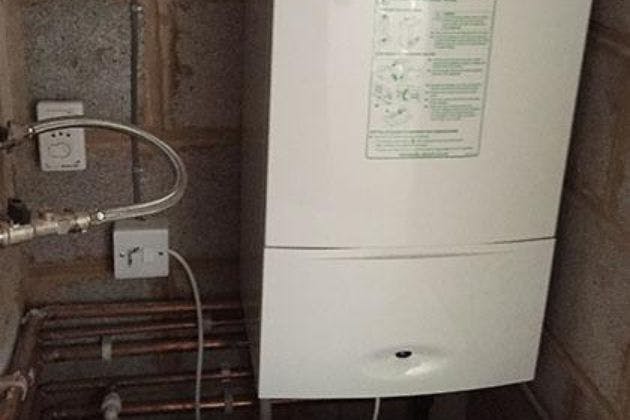
In this article, we will explore the five signs that indicate your boiler requires servicing by a professional technician. From unusual noises to drops in water pressure, recognizing these alert signs will allow you to take prompt action and protect your boiler's performance. If you are managing a multi-family property or a commercial facility, being aware about potential boiler problems is crucial for optimizing energy efficiency and ensuring the comfort of your residents.
Identifying Critical Boiler Issues
Detecting if a boiler demands expert attention is essential for keeping security and effectiveness in every heating system. One of the primary indicators that anything is off is a significant change in heating output. For instance if particular areas of a structure are continuously colder than others, it may suggest an issue with the boiler, such as the requirement for [bleeding|purging] the radiator or potential balance problems in the circulatory system. Additionally, a sudden rise in energy bills could suggest that the boiler is not functioning efficiently due to problems like mineral scale deposits.
A further key sign is odd noises emitting from the boiler, such as thumping, hissing, or gurgling. These noises can point to different issues, including air trapped in the pipes or a faulty component like the temperature sensor or pilot light. It's crucial to diagnose these swiftly to prevent further harm and ensure that the boiler functions safely and effectively. Regular inspections can assist identify such issues early and prevent on expensive repairs down the line.
Lastly, monitor the boiler's pressure and water levels diligently. If there are frequent drops in water pressure, it could indicate a leak or some other underlying problem that demands immediate investigation. In addition, if the boiler flame appears yellow instead of blue, this is a crucial sign that there might be a burning problem, which could lead to dangerous carbon monoxide release. Boiler Servicing Rivenhall to these signs is essential for both safety and to extend the lifespan of the boiler system.
Understanding Boiler Efficiency and Upkeep
Ensuring boiler efficiency is crucial for minimizing operational costs and maximizing performance. A critical factor in this maintenance is grasping how to calculate the heating efficiency of a commercial boiler system. This involves assessing fuel input against useful heating output, allowing facility managers to detect inefficiencies and fine-tune their systems. Frequent checks can help pinpoint issues such as hard water scale accumulation, which can greatly diminish energy efficiency, leading to higher energy bills and greater wear on the system.
Another important aspect of efficient boiler operation is recognizing specific signs that indicate a need for professional attention. For example, a cracked boiler heat exchanger can lead to dangerous situations and reduced efficiency, requiring immediate expert assessment. During an yearly boiler safety inspection, technicians focus on various factors such as the condition of the heat exchanger, the quality of combustion gas emission readings, and the overall integrity of the boiler system. These checks are crucial for avoiding potential failures and ensuring compliance with safety standards.
Lastly, knowing the differences between high-efficiency and non-condensing boilers can aid in proper maintenance practices. Condensing boilers offer higher efficiency by utilizing flue gas heat, but require specific maintenance considerations, especially in terms of condensate management. Proper boiler size is also crucial, particularly for multi-family properties, as an improperly sized unit can lead to inefficient operation and increased risk of breakdowns. By addressing these elements, property owners can ensure longer boiler life and best performance.
Safety Considerations for Boiler Operations
Ensuring a safe boiler operation involves understanding and adhering to safety protocols. Routine annual boiler safety inspections are crucial, as technicians will assess multiple factors, including the condition of the boiler, safety devices, and venting systems. This comprehensive inspection ensures that any risks, including carbon monoxide leaks, are detected early and corrected, protecting both personnel and property.
Monitoring the water chemistry in your boiler is a further critical safety measure. Proper treatment chemicals and water chemistry prevent internal corrosion, that can lead to failures or leaks. Addressing issues with hard water scale accumulation is also essential, as it significantly diminishes heating efficiency and can create unsafe operating conditions. Implementing appropriate measures for water treatment and chemical balance can enhance safety and efficiency.
Lastly, comprehending and utilizing low water cut-off safety switches can protect boilers from disastrous failures. These switches ensure that the boiler operates only when there is sufficient water present, avoiding overheating and potential meltdowns. Additionally, including safety practices like checking boiler flue gas analyses can verify that emissions are within safe limits, reducing health risks and environmental impact.